Wholesale 100% Original Timber shelves Export to Los Angeles
Short Description:
Suzhou Innovative Store Equipment Co., Ltd – Manufacturing of shelf systems for shop fittings ( shop shelving, retail shelving, display shelving, storage shelving, warehouse shelving ) was started in the 1989’s. Because of improvement in products quality and achievement of compatibility with another used shelf systems, production strongly expanded both in total output and quantity of manufactured components parts. We are willing to offer you a solution for any problem in the area of shopfitti...
Wholesale 100% Original Timber shelves Export to Los Angeles Detail:
Suzhou Innovative Store Equipment Co., Ltd – Manufacturing of shelf systems for shop fittings ( shop shelving, retail shelving, display shelving, storage shelving, warehouse shelving ) was started in the 1989’s. Because of improvement in products quality and achievement of compatibility with another used shelf systems, production strongly expanded both in total output and quantity of manufactured components parts.
We are willing to offer you a solution for any problem in the area of shopfitting. We can offer both our standard products and products meeting your specific requirements.
Everything will be delivered in perfect shape and high quality.
Standard components
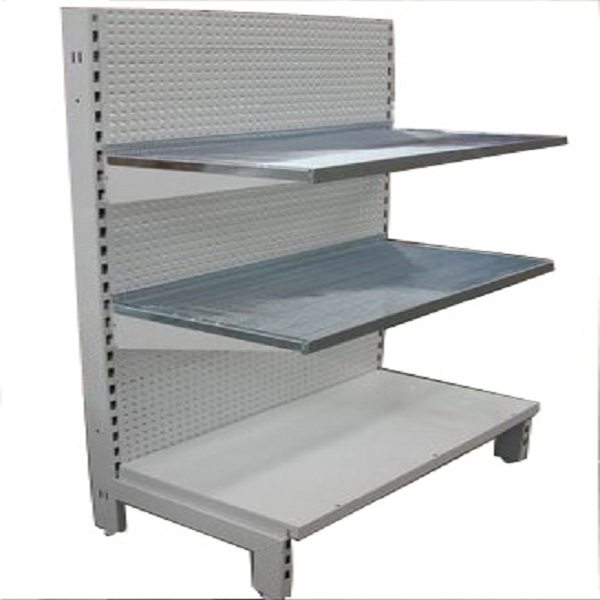
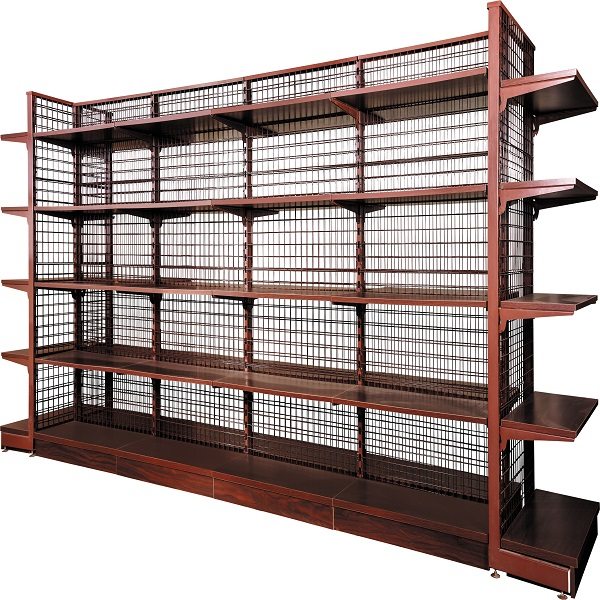
- The shelving with timber shelves to highlight the merchandise
- Heavy duty slotted round uprights and base support made in rugged steel
- Base shelf made of 18mm MDF
- Attractive melamine finish
- Wire grid back panel made of steel wire with 25*50mm grid
| Upright | H 1210 – 3010mm |
| Base support | 200mm | 270mm | 300mm | 370mm | 470mm | 570mm | 670mm | 770mm |
| Steel shelf | W 665mm | 800mm | 1000mm | 1200mm | 1220mm | 1250mm | 1330mmD 200mm | 270mm | 300mm | 370mm | 470mm | 570mm | 670mm | 770mm |
| Back panel | W 665mm | 1000mm | 1250mm | 1330mmH 400mm |
| Colors | Ral 9001 | Ral 9010 | Ral 7035 | Ral 9006 |
| Load Capa. (kgs) | 100kgs – - - 150kgs |
Advantage
- Easy set up with no tools required
- Designed to conserve warehouse space
- Industry’s most competitively priced units
- Designed to get attention and give maximum display space
More option
Use our optional parts and accessories to create a unique point-of-purchase units.
Peg hooks | Wire slatwall shelves | Light box | Timber shelves | Side frame | Side mirror panel | Wire cage | Spreader bar
What we can offer:
- System solution for any kind of shop centers
- High flexibility
- Simplicity and favourable price
- High quality
- Development and design according to requirements of clients
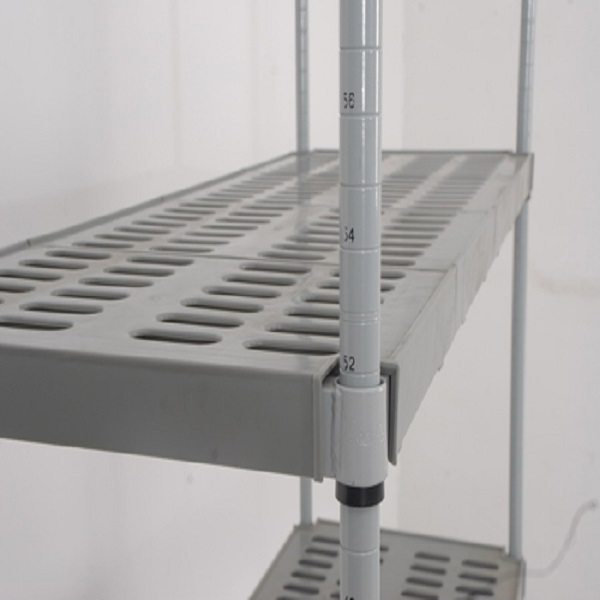
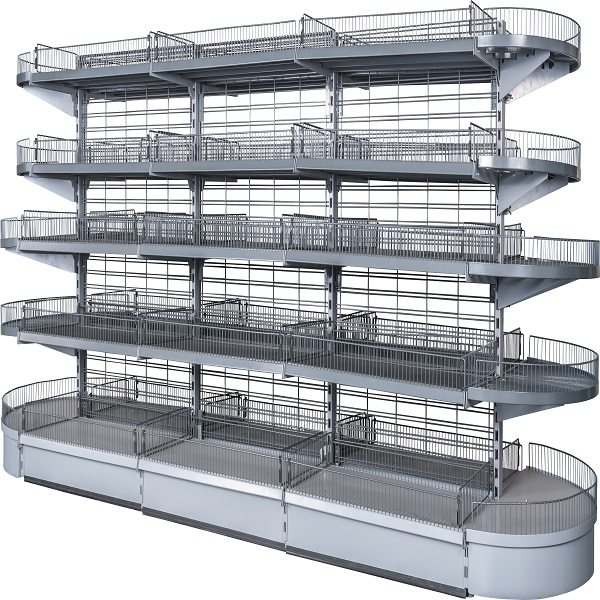
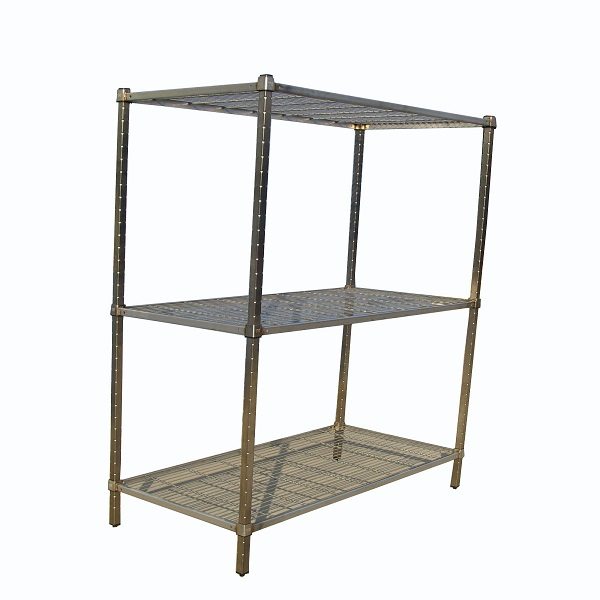
Product detail pictures:
Related Product Guide:
Flexible Financing With Mezzanine Debt
Ideas for Recessed Room Shelves
Wholesale 100% Original Timber shelves Export to Los Angeles, The product will supply to all over the world, such as: , , ,
 By from -
By from -
By from -